
A land lease is a legally binding agreement that allows a lessee (tenant) to use a landowner’s property for a fixed period in exchange for rent or premium. In India, land leases are common for residential plots, commercial buildings, industrial parks, temple lands, government lands, and long-term development projects. However, many landholders and lessees fail to understand one critical aspect—what happens when the lease period expires.
The consequences of lease expiry can be simple or legally complex, depending on the lease deed, local laws, renewal clauses, and the conduct of both parties. This article explains the periods, legal implications, rights, obligations, and outcomes when a land lease comes to an end.
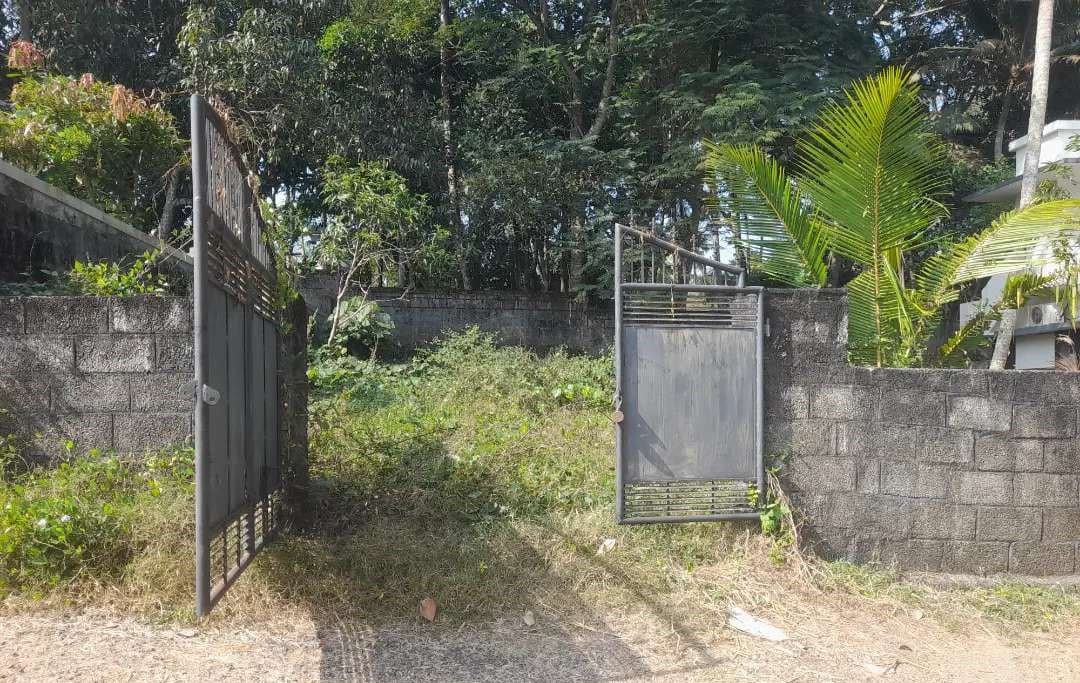
Understanding Land Lease Periods and Legal Terms
Before examining the outcome of lease expiry, it is essential to understand the lease duration and key legal terms involved.
Common Land Lease Periods in India
- Short-term lease: 1 to 5 years
- Medium-term lease: 10 to 30 years
- Long-term lease: 60, 90, or 99 years
Government and institutional lands are often leased for 99 years, while private leases are typically 10–30 years.
Key Legal Terms You Should Know
- Lessor: The landowner
- Lessee: The tenant or leaseholder
- Lease Deed: Registered document outlining terms and conditions
- Lease Expiry: The date on which the lease term ends
- Renewal Clause: Provision allowing extension of lease
- Holding Over: Continued possession after lease expiry (Section 116, Transfer of Property Act, 1882)
- Reversion of Property: Land returning to the lessor after expiry
What Legally Happens When a Land Lease Expires?
When a land lease expires, the legal status of the land and the lessee changes immediately, unless specific actions are taken.
1. Lease Automatically Terminates
Under Section 111(a) of the Transfer of Property Act, 1882, a lease ends automatically on expiry of the agreed period unless renewed. No separate termination notice is required if the lease period is clearly mentioned in the deed.
2. Land Reverts to the Owner
Once the lease expires:
- Ownership and possession legally revert to the lessor
- The lessee loses the right to occupy or use the land
- Any continued possession becomes unlawful unless permitted
3. Structures and Buildings on Leased Land
This is a critical area of dispute.
- If the lease deed states that structures belong to the lessor, the lessee must hand over land along with buildings.
- If the deed allows removal of structures, the lessee may dismantle and remove them before vacating.
- In government leases, buildings usually vest with the government upon expiry.
4. Renewal or Extension of Lease
If the lease deed includes a renewal clause, the lessee must:
- Apply for renewal before expiry
- Accept revised rent or premium
- Comply with updated legal or zoning regulations
Renewal is not automatic unless explicitly stated.
5. Holding Over After Expiry
If the lessee continues in possession and the lessor:
- Accepts rent, or
- Gives written consent
Then the lease may convert into a month-to-month or year-to-year tenancy under Section 116 of the Transfer of Property Act.
Without consent, the lessee becomes an unauthorized occupant.
Rights, Risks, and Legal Remedies After Lease Expiry
Lease expiry affects both parties. Understanding rights and remedies helps avoid disputes.
Rights of the Landowner (Lessor)
After lease expiry, the landowner has the right to:
- Reclaim possession of the land
- Refuse renewal
- Initiate eviction proceedings
- Claim damages for unauthorized occupation
- Take ownership of structures (if deed permits)
Rights of the Lessee
The lessee may:
- Seek renewal if the lease allows
- Claim compensation for structures (if agreed)
- Request reasonable time to vacate
- Challenge illegal eviction through court
However, the lessee cannot claim ownership of the land.
Legal Consequences of Not Vacating
If the lessee fails to vacate after expiry:
- The occupation becomes illegal
- The lessor can file an eviction suit
- Courts may impose mesne profits (penalty rent)
- Government authorities may impose penalties or demolition orders
Government and Temple Land Leases
For lands owned by:
- State Government
- Municipal corporations
- HR&CE (Temple trusts)
- Development authorities
Lease expiry usually results in:
- Mandatory surrender
- Higher renewal fees
- Public auction or re-allotment
- Eviction under special Acts (Land Encroachment Act)
Courts generally favor public ownership rights in such cases.
Impact on Sale, Loan, and Registration
An expired lease:
- Cannot be legally sold
- Is not eligible for bank loans
- Cannot be registered for transfer
- Creates title defects
Banks insist on minimum residual lease period (usually 30–40 years) for home loans.
Practical Scenarios After Lease Expiry
Scenario 1: Lease Expired but Rent Paid
If rent is accepted post-expiry, it may indicate implied renewal, unless denied in writing.
Scenario 2: Lease Expired, No Renewal Clause
The lessee must vacate immediately. Continued stay is trespass.
Scenario 3: 99-Year Lease Expiry
Despite long possession, ownership does not transfer. Courts have repeatedly upheld that leasehold rights do not become ownership by default.
Scenario 4: Dispute Over Buildings
Courts examine:
- Lease deed terms
- Nature of construction
- Purpose of lease
- Local laws
Clear drafting avoids disputes.
Conclusion
When a land lease expires, the legal relationship between the landowner and the lessee fundamentally changes. The lease automatically terminates unless renewed, and the land legally reverts to the owner. Continued occupation without consent becomes unlawful and exposes the lessee to eviction, penalties, and legal action.
For landowners, timely enforcement of rights ensures protection of property. For lessees, understanding renewal clauses, lease conditions, and statutory provisions is crucial to avoid sudden loss of possession or investment. A well-drafted lease deed and proactive renewal planning are the best safeguards against disputes after lease expiry.
Frequently Asked Questions (FAQ)
1. Does a land lease automatically renew after expiry?
No. Renewal occurs only if the lease deed contains a renewal clause or the lessor gives consent.
2. Can a lessee claim ownership after long possession?
No. Leasehold rights do not convert into ownership, even after 99 years.
3. What happens to buildings constructed on leased land?
It depends on the lease deed. Buildings may revert to the owner or be removable by the lessee.
4. Can rent be increased during renewal?
Yes. Rent or premium is usually revised at market rates during renewal.
5. What if the lessee refuses to vacate?
The lessor can file an eviction suit and claim damages for unauthorized occupation.
6. Is court approval required to end a lease?
No, if the lease expires by time. Court intervention is needed only for eviction enforcement.
7. Can an expired lease be sold?
No. An expired lease has no transferable legal value.
Thanks
vijaykumar
As Author
