
Buying a home is a significant milestone for most individuals and families. However, skyrocketing property prices in major Indian cities often make this dream hard to achieve. One alternative route that many homebuyers and investors explore is purchasing foreclosed properties homes seized and resold by banks or financial institutions due to loan defaults.
These properties typically sell below market value, making them a cost-effective option. But while the idea of getting a home at a bargain sounds attractive, buying a foreclosed property in India comes with its own set of complexities.
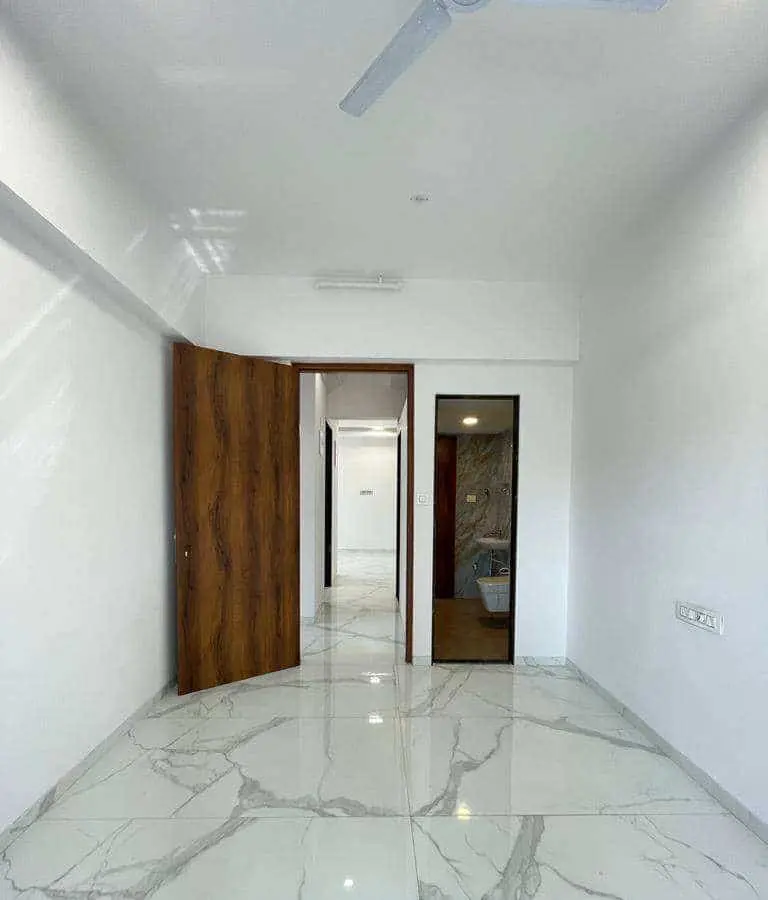
What Is a Foreclosed Home?
A foreclosed home is a property that a bank or lender repossesses when the borrower fails to repay the home loan. After acquiring the property through a legal process (usually under the SARFAESI Act, 2002), the lender puts it up for auction or sale to recover the outstanding loan amount. These properties often come at discounted rates, making them attractive to bargain-hunters, first-time buyers, and investors.
Cheapest Ways to Buy a Foreclosed Property in India
There are several low-cost avenues through which you can buy a foreclosed home in India. Each method varies in complexity, cost, and legal safeguards.
1. Bank Auctions (Public Notices)
Banks regularly conduct property auctions and publish notices in newspapers or on their official websites. These properties are often sold at a reserve price, which is usually lower than the market rate. To participate, you typically need to deposit Earnest Money Deposit (EMD), attend the auction (online or offline), and bid for the property.
2. Online Auction Portals
Banks and financial institutions have started using dedicated auction portals such as:
- Bankeauctions.com
- AuctionTiger.net
- e-auctions by SBI, PNB, etc.
These websites list properties with reserve prices, auction dates, and bidding guidelines, making it easier and more transparent for buyers to participate.
3. Direct Sale by Banks (Without Auction)
In some cases, banks offer foreclosed homes at fixed prices to close non-performing assets (NPAs) quickly. You can approach bank branches or asset recovery departments directly to inquire about such deals. This process may avoid bidding wars and save time.
4. Real Estate Agents Specializing in NPA Properties
Some brokers and real estate agents focus exclusively on foreclosed or distressed properties. They have access to off-market deals and can help with the paperwork. While they charge a commission, their services can streamline the process, especially for first-time buyers.
Pros of Buying a Foreclosed Home in India
1. Lower Purchase Price
One of the most attractive benefits of buying a foreclosed home is the cost advantage. These homes typically sell for 10–30% below market value, making them more affordable.
2. Investment Potential
Foreclosed homes located in up-and-coming areas can appreciate over time. Buyers can renovate and resell them at a profit or rent them out for a steady income.
3. Transparent Process (In Auctions)
Bank auctions follow a legal and structured process. All auction terms are published in public notices, which reduces the risk of scams if buyers follow due diligence.
4. Clear Title (Usually)
Banks auction only those properties where they have legal possession and claim over the title. In many cases, this means the title is already verified, saving the buyer from complex legal checks.
5. Availability Across India
From metro cities to Tier-2 towns, foreclosed properties are available in a wide range of locations, increasing buyer options.
Cons of Buying a Foreclosed Home in India
1. Legal Complications
Not all foreclosed homes come with clear legal titles. Sometimes, cases related to ownership, inheritance, or tenancy are pending in courts. Buyers may inherit these disputes unintentionally.
2. Occupancy Issues
Some foreclosed homes may still be occupied by previous owners or tenants who refuse to vacate. Evicting them can become a legal battle, costing time and money.
3. No Prior Inspection
In most auctions, buyers cannot physically inspect the property before bidding. You may only rely on photos or old valuation reports, which may not reveal structural damage or illegal construction.
4. Upfront Payment Requirement
Most auctions require an upfront EMD and full payment within a short time (usually 15–30 days). There’s often no financing or loan approval time, making it hard for buyers who rely on home loans.
5. No Repair or Renovation by Seller
Foreclosed homes are sold “as-is, where-is”. If the property is damaged or requires renovation, the buyer must bear the cost.
6. Hidden Liabilities
Sometimes, unpaid dues such as electricity bills, maintenance charges, or property tax arrears are not disclosed upfront. Buyers become liable for these payments after purchase.
Conclusion
Buying a foreclosed home in India can be one of the cheapest ways to own property, but only for those who approach it with caution, patience, and legal awareness. The process is best suited for financially prepared buyers who can handle the legal and logistical challenges. While the cost savings are real, the potential risks—like legal disputes, hidden costs, or structural damage—can outweigh the initial price benefit if not managed carefully.
Therefore, before you jump at the idea of a “cheap” home, consider hiring a legal expert to verify documents, visit the site (if allowed), and calculate the total cost of acquisition, including repairs and outstanding dues. Done right, buying a foreclosed property can be both economical and rewarding.
Frequently Asked Questions (FAQs)
1. Can I get a home loan for buying a foreclosed property?
Yes, but it’s tricky. Most banks prefer to give loans for standard real estate transactions. For foreclosed properties, especially auctions, you may need to pay most of the amount upfront, and loan processing may not align with auction timelines.
2. How do I find foreclosed properties in my city?
You can check the websites of banks (like SBI, PNB, Bank of Baroda), government portals like e-auction.gov.in, or private auction platforms. Local newspapers also carry auction notices.
3. Is buying a foreclosed property safe?
It can be safe if proper due diligence is done. Always check the title, pending litigations, and encumbrances. Hiring a legal advisor is highly recommended.
4. Are all foreclosed properties sold through auction?
No. Some are sold directly by banks or through asset reconstruction companies (ARCs) without auction. You can contact the bank’s asset recovery department for such opportunities.
5. What is the Earnest Money Deposit (EMD)?
EMD is a refundable deposit (usually 5–10% of reserve price) required to participate in property auctions. If you win the bid, it goes towards your purchase. If you lose, it’s refunded.
6. What documents should I check before buying a foreclosed home?
You must review the title deed, possession certificate, encumbrance certificate, legal notices, and auction terms. Also, ensure there are no pending dues or litigations on the property.
7. Who pays the registration and stamp duty in a bank auction?
The buyer is responsible for all legal charges, including stamp duty, registration fees, and any taxes applicable
Thanks
vijaykumar
By Author

