
In the evolving landscape of urban real estate, homebuyers are increasingly becoming aware of the finer aspects of property ownership. One such crucial concept is Undivided Share of Land (UDS). Often overlooked by first-time buyers, the UDS plays a pivotal role in determining the true value of a flat or apartment. It signifies the proportionate share of land that a flat owner possesses in a residential complex. While the building may deteriorate over time, the land appreciates, making UDS a vital component in long-term investment planning.
Understanding UDS is essential, especially in cities where space is limited and land is highly valuable. In simple terms, when a builder constructs a multi-unit apartment on a piece of land, each buyer of the apartment is allotted a portion of the land — their Undivided Share — based on the size of their unit relative to the total built-up area. This share is not marked physically but is legally recorded and recognized.
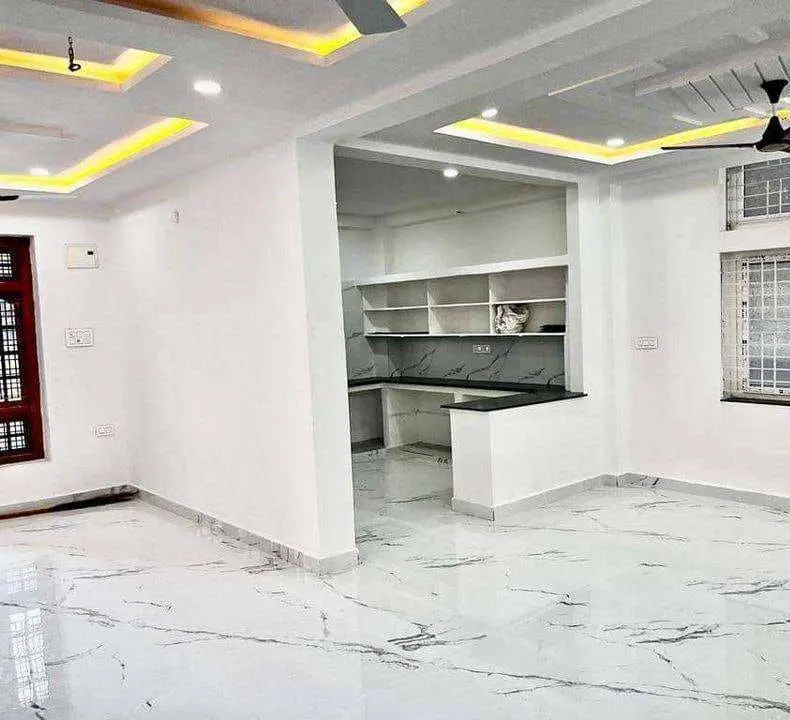
Advantages of UDS in Purchasing a Flat
1. Legal Ownership of Land
One of the most compelling advantages of UDS is that it legally certifies your ownership of the land on which your apartment stands. While the flat may be built with concrete, steel, and glass, it is the land that holds true value in the long run. With UDS, you are not just buying a structure, but a part of the land itself — a finite and appreciating asset.
2. Appreciation in Land Value
Over time, buildings may depreciate due to wear and tear. However, land tends to appreciate consistently, especially in prime urban areas. By owning a share in the land, your investment gains from this appreciation. As a result, a property with a higher UDS typically fetches a better resale value.
3. Entitlement During Redevelopment
When an apartment complex becomes old or unfit for habitation, developers often approach residents for redevelopment. In such cases, those with a higher UDS are at an advantage — they may receive bigger or more valuable flats or better compensation. Without a clear UDS, a buyer may not be eligible for fair redevelopment benefits.
4. Clear Title and Ownership Rights
A properly defined UDS in the sale deed enhances the transparency of the transaction. It prevents legal disputes and ensures that the buyer is aware of their exact rights. In legal disputes, courts often refer to UDS to determine ownership entitlements.
5. Voting Power in Society Decisions
Housing societies often base voting rights and maintenance decisions on the percentage of UDS. A higher share gives you more influence in important decisions related to upkeep, renovations, or resale of common spaces.
Disadvantages of UDS in Apartment Purchases
1. Lack of Awareness
A major drawback lies in the general lack of awareness among buyers about UDS. Many buyers focus only on the super built-up area, ignoring UDS altogether. This ignorance can lead to poor investment decisions or legal complications later.
2. Discrepancy in Allotment
Sometimes, builders may not allocate UDS fairly, especially when there are variations in flat sizes or hidden terms in the agreement. Without due diligence, buyers may end up owning less land than they deserve.
3. Complications During Redevelopment
If UDS is not clearly mentioned or if it is disputed among multiple owners, redevelopment can become legally and procedurally complex. Disagreements over land share can stall the process indefinitely.
4. Limited Usefulness in High-Density Complexes
In large apartment complexes with hundreds of units, the individual UDS for each flat becomes very small. This diminishes its standalone value. Moreover, the ability to leverage this share (such as for private construction) is often non-existent.
5. Not Physically Demarcated
Since UDS is an intangible and undivided portion of land, buyers may feel disconnected from its utility. It cannot be sold separately, leased, or developed individually. This abstract nature sometimes confuses or deters practical usage.
Active and Passive Roles of UDS in Real Estate
Buyers must actively ensure that UDS details are mentioned clearly in their sale agreement. At the same time, government policies and legal frameworks are being developed to standardize UDS documentation and prevent manipulation.
While UDS allocation is typically done based on unit size, many developers have been known to underplay it. Hence, the buyer’s role remains proactive — to question, verify, and demand clarity.
How to Calculate UDS?
The formula for calculating UDS is:
UDS = (Individual flat area / Total built-up area of all flats) × Total land area
Let’s assume:
- You buy a flat of 1,000 sq ft in a project that has a total built-up area of 10,000 sq ft on a 10,000 sq ft land plot.
- Your UDS = (1,000 / 10,000) × 10,000 = 1,000 sq ft
This is the undivided share of land legally owned by you. It’s this share that gives your property its real, enduring value.
Visit us more for UDS property with : mookaa.in
Conclusion
In the realm of real estate, especially in the context of flats and apartments, the Undivided Share of Land (UDS) is a cornerstone of ownership that should not be ignored. It is not merely a legal term buried in sale deeds — it is the enduring value that sustains your investment long after the building has aged.
The advantages of UDS, such as legal clarity, appreciation, and redevelopment benefits, significantly outweigh the potential drawbacks. However, the importance of buyer awareness cannot be overstated. A well-informed buyer is more likely to secure a fair deal and benefit from the land’s long-term value.
As urban spaces continue to densify and the value of land soars, UDS becomes not just a technical detail but a strategic asset. Every homebuyer should demand transparency regarding UDS, ensure its accurate mention in legal documents, and understand how it shapes their rights and returns.
In the end, owning a flat is not just about living space — it’s about claiming your rightful place on the land beneath it.
Frequently Asked Questions (FAQs)
1. Is UDS the same as carpet area or built-up area?
No. UDS is the share of land you own. Carpet area refers to the usable floor area inside your flat, while built-up area includes carpet area plus walls and utility space.
2. Can UDS be sold separately?
No. UDS is tied to the flat. It cannot be sold independently or used for any personal construction. However, it plays a vital role in resale, inheritance, and redevelopment.
3. What happens if UDS is not mentioned in the sale deed?
This is a red flag. Without a clearly mentioned UDS, you may face legal and financial disadvantages in the future. Always insist on including it in the agreement.
4. Does higher UDS mean higher maintenance charges?
Not directly. While some societies calculate charges based on UDS, many use built-up or carpet area. However, higher UDS may give you more say in decision-making.
Thanks
vijaykumar
By Author

